


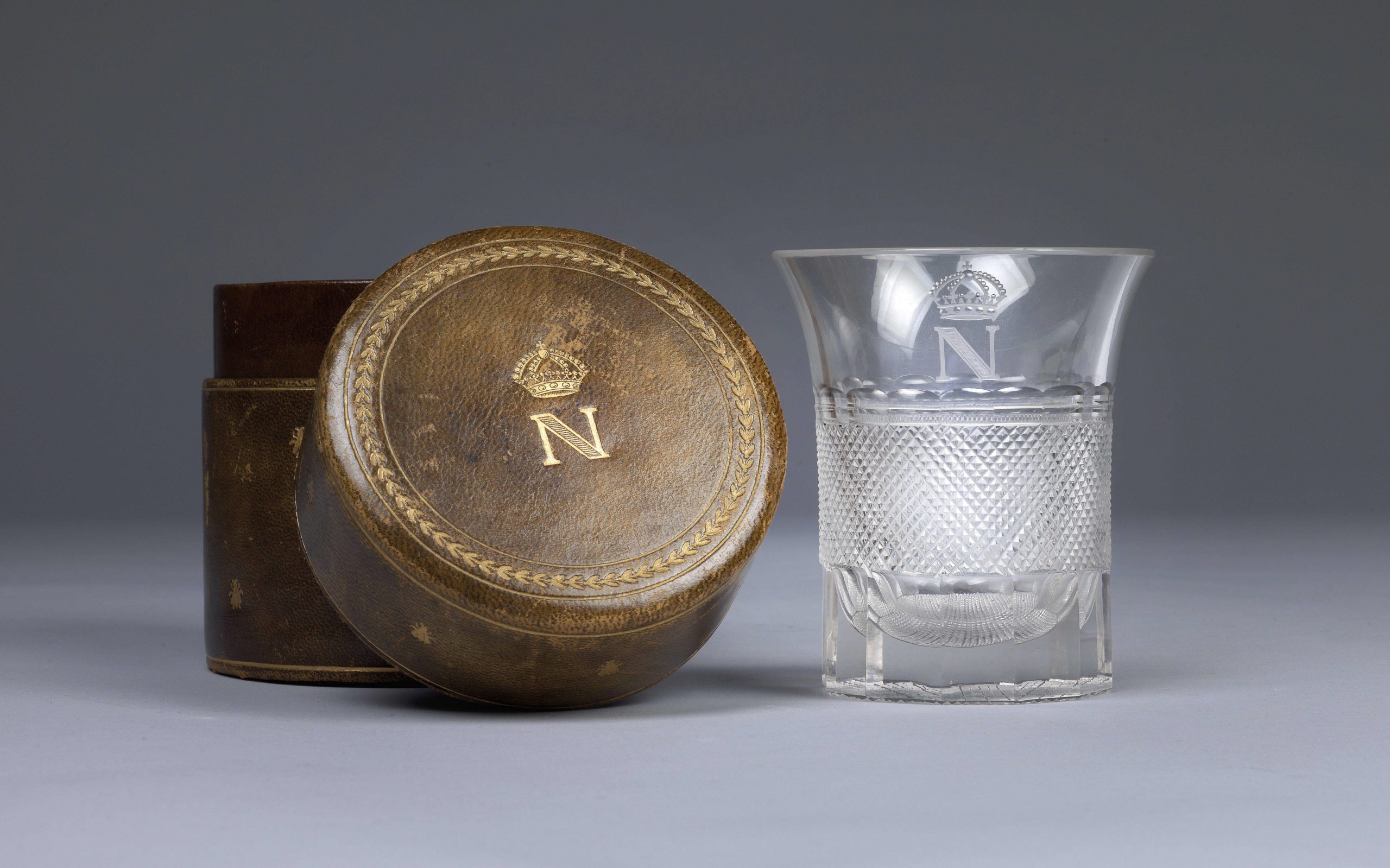
What were we drinking at Napoleon's table?
After giving pride of place to gastronomy under the Empire and Napoleon Bonaparte's favorite dishes, let's take a look at what we drank at his table. Unsurprisingly, wine lovers will surely prefer Joséphine's eclectic and exotic tastes to Napoleonic frugality!
What was Napoleon Bonaparte drinking? We know that he is little concerned with good food and more sensitive to the simplicity of family or military gastronomy. If the man was no more fond of wine than of refined dishes, he nevertheless had his preferences. As for the guests at his table, they had no fear of dying of thirst: the Malmaison cellar concealed treasures carefully selected by Joséphine de Beauharnais.
Napoleon Bonaparte, a reasonable drinker
As a man of habit, Bonaparte almost always eats the same thing and drinks the same Burgundy wine every day, this Chambertin which he cuts with ice water. Constant (1778 – 1845), Napoleon’s valet from 1800 to 1814 reported this habit:
The Emperor drank only Chambertin and rarely pure.
The fact is confirmed by Mademoiselle Avrillion (1774 – 1853), Joséphine’s first maid. The ideal mixture of wine and water balances out half of one and half of the other. At the rate of a 50cl bottle for lunch and dinner, the bottles had to be kept ready in all the places frequented by Bonaparte. The habit began as soon as he was general since it was necessary to take cases of this Burgundy to Egypt. If the campaign was victorious for the future First Consul, it was disastrous for his bottles which hardly withstood temperature changes. Back then, sulfur was not a part of regular wine production, and unfortunately its absence often turned wine into vinegar.
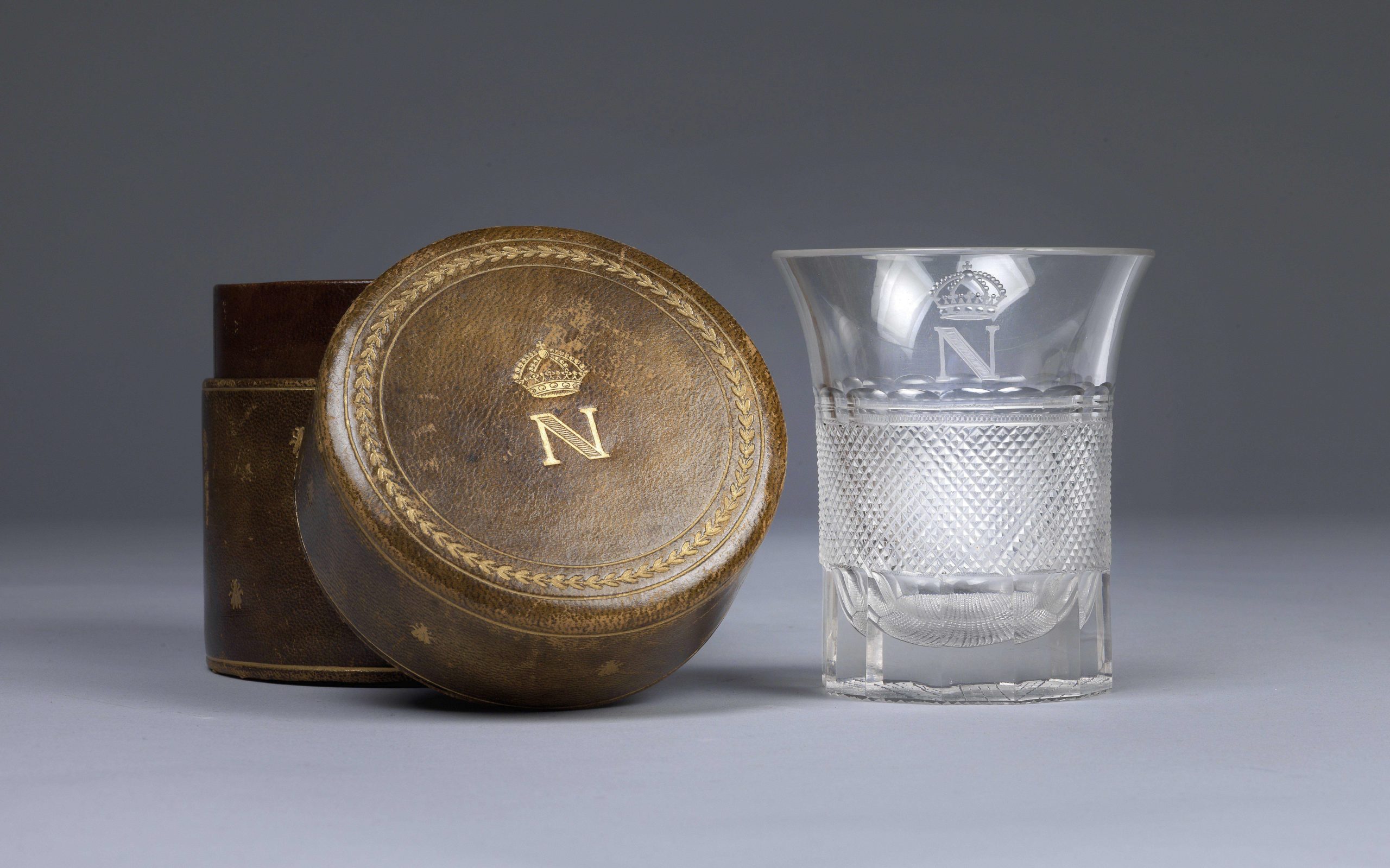
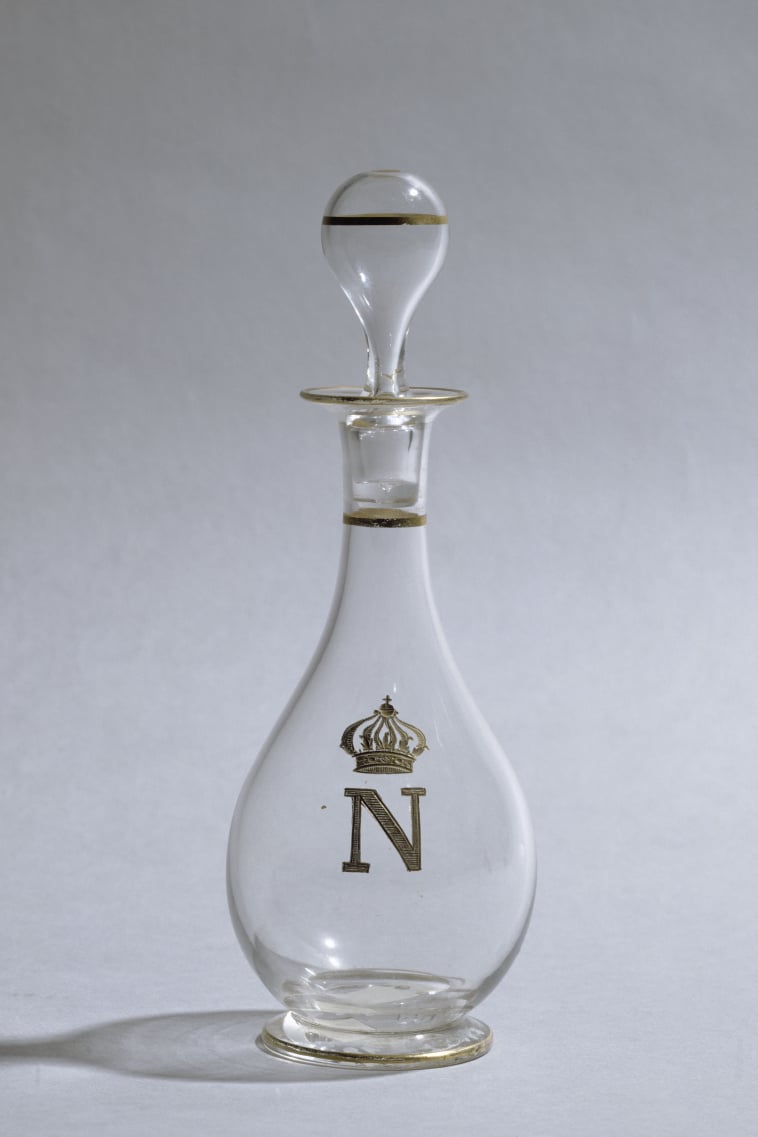
Under usual conditions, however, we were already beginning to age the nectar using opaque glass bottles whose cork stoppering more securely preserved the integrity of the beverage. Usually, we served Napoleon Bonaparte and then Napoleon I – both maintaining perfect linearity in their habits – a 5 or 6 year old Chambertin which was supplied by the Maison Soupé et Pierrugues located at 338, rue Saint-Honoré in Paris. The merchants’ mission was to provide all the imperial residences and “on the battlefields, the sons of these gentlemen took turns following the Emperor”, testifies the valet Constant. The art of the table adopting the Russian service and abandoning the French one, the attention to the bottles was very different from the previous century and the wine was put in glass bottles manufactured in Sèvres and marked with the crowned N.
I cannot live without champagne, in case of victory I deserve it, in case of defeat I need it.
We lend this quote to Napoleon Bonaparte. And no doubt he said it. His taste for frugality is well established and champagne is one of the rare gastronomic pleasures that he truly appreciates. Proof of this is in the archives of the Moët house which keeps the accounting records of the orders placed by the famous Corsican. The very first is in the name of Napoleon Bonaparte, First Consul of Paris on the date of 27 Thermidor year 9 (August 15, 1801, the birthday of his 32 years!) then another passed in 1803. Once Bonaparte became Napoleon I, the orders were sent to the Emperor and his family. A few months before the Battle of Austerlitz, at the beginning of September 1805, an order from the Emperor was sent to Strasbourg and undoubtedly it was preparing without knowing it to celebrate a great moment in history. Joséphine and Jérôme Bonaparte also meet in the accounting records of the famous champagne house.
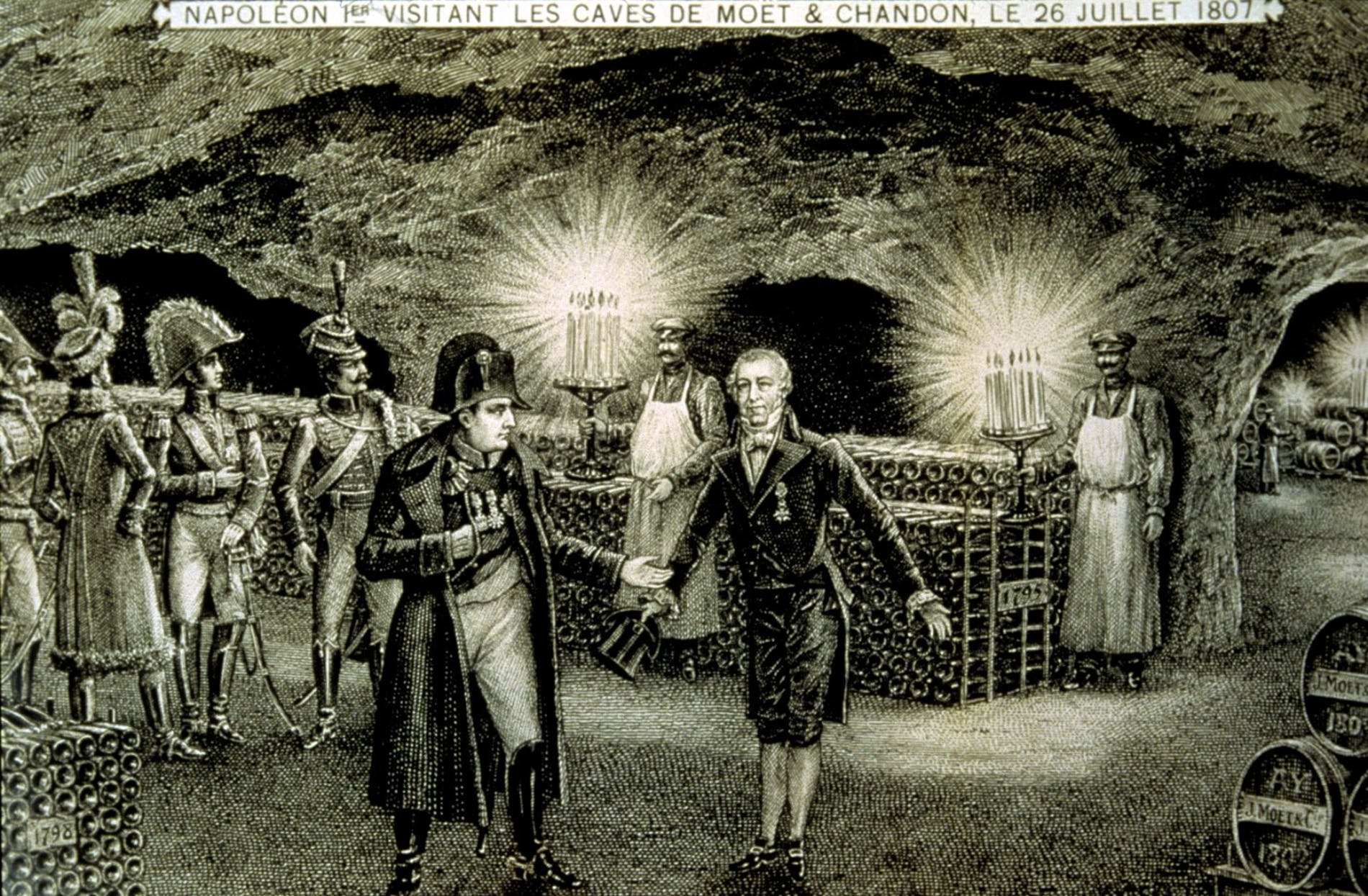
At the head of the latter, Jean-Rémy Moët, then mayor of Épernay, does not seem to have met the Emperor who came to his city only attracted by the fine bubbles. Napoleon I would have sympathized with this man who welcomed him to his home and who received, from the Emperor’s hand, the Legion of Honor.
Joséphine and the cellar of wonders of Malmaison
The inventory of Joséphine de Beauharnais’ cellar in 1814 reveals the extent of the refined taste of the owner of the Malmaison. More than 13,000 bottles are listed on the death of the former empress with prominently many sweet wines from vineyards ranging from Andalusia to Portugal, passing through the coasts of Languedoc, the islands of Madeira and the Canaries. These wines, appreciated for their sweetness, were served during afternoon snacks or for dessert at the many receptions and meals organized by Joséphine.
A major meeting place for the elite and those close to the imperial family, the reputation of the Malmaison table has stood the test of time. It is undoubtedly a must in the history of French gastronomy and tableware. Joséphine de Beauharnais, expertly advised by the best palates of the Empire (Cambacérès and Talleyrand in the first place), shone with a daring choice of prestigious wines and exotic alcohols, a memory of her native Martinique.
Bordeaux and Burgundy wines, champagnes, Côtes du Rhône and Rhin, Muscats from Lunel and Roussillon, vermouth, Italian and island liqueurs were regularly served at the table. Especially rum was a Creole eccentricity that delighted guests, especially when it was served as a punch, a drink already fashionable in the 18th century but which became essential under the Empire. Joséphine loved it, having it scrupulously prepared with the five essential ingredients then: tea, sugar, cinnamon, lemon and rum. Reason why the punch bowl was part of the… tea sets!
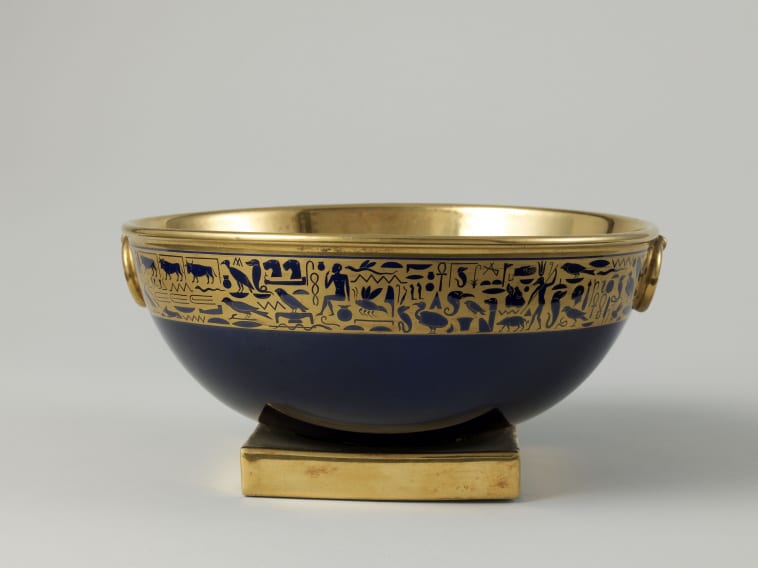
To please the ladies, the punch was served frozen. Some say that it is in Procope restaurant that it was drunk thus first because this very fresh punch attenuated the taste of alcohol and thus pleased more ladies. The story does not say if Josephine drank it like this at bedtime.
Because if the Empress was not a big consumer of alcoholic drink, she often drank, before sleeping, a small glass of punch. No wonder, because this beverage was credited with ensuring a smooth and peaceful sleep. There was nothing incongruous about the presence of a punch bowl in a bedroom at the start of the 19th century. Remember that those days are over, this is no longer the case today and that it would be the worst taste to replace your blanket with a bottle of rum, even if it was embellished with sugar and spices.
When Bonaparte was exiled to Saint Helena in 1815, his daily life was naturally upset. His Chambertin could not stand the trip and the English served him a claret that the fallen Emperor did not appreciate. Sometimes we see him working out a few negotiations to exchange a few bottles for Burgundy, without success.

A wine from the Constancia vineyard, the Grand Constance, which is still known today as “Napoleon’s wine” is brought from Cape Town for him. In 2016, a bottle of Grand Constance dated 1821 and intended for Bonaparte was sold for € 1,550. A fragile memory of the daily life of the last days of the Emperor.
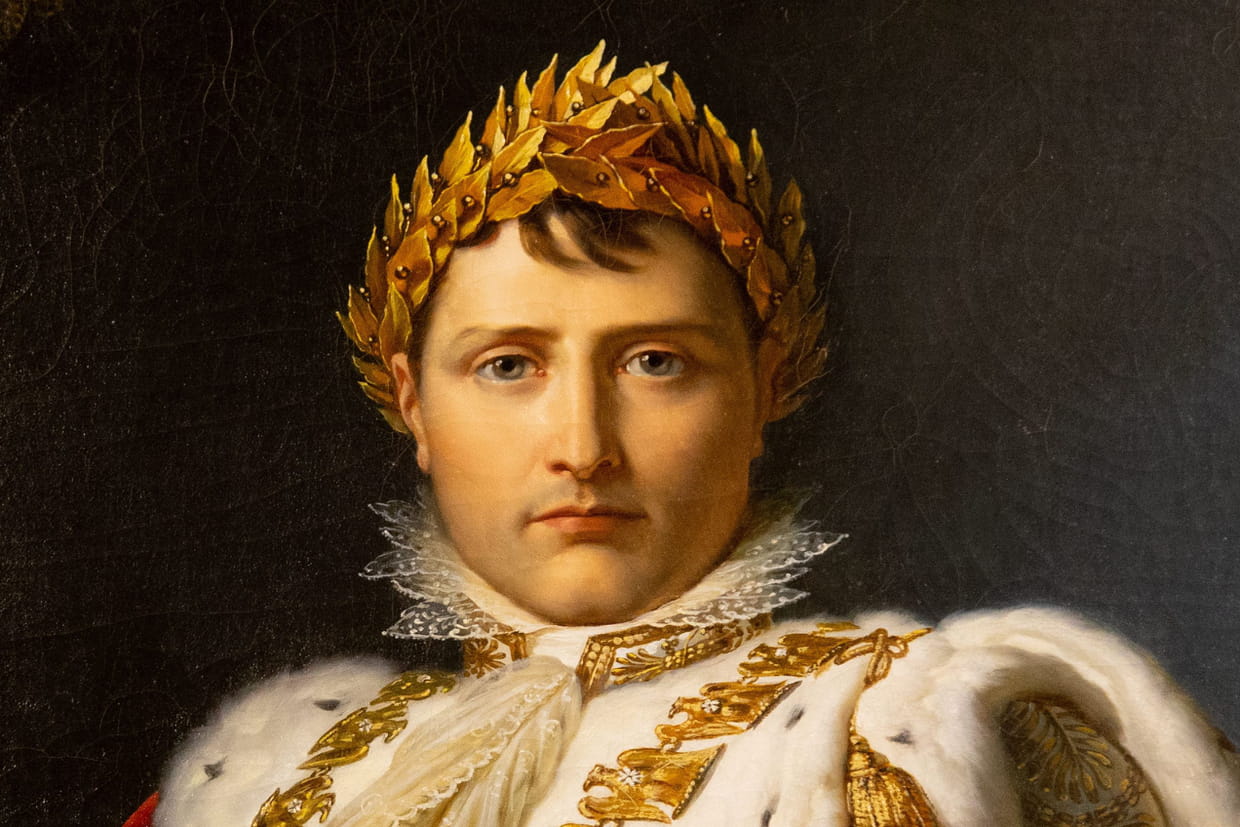
The Bicentenary of the death of Napoleon Bonaparte
The bicentenary year of the death of Napoleon Bonaparte has not yet been inaugurated as the controversy is already raging. What do we reproach the Emperor Napoleon I? Between black and golden legend, Bonaparte is a complex character, a historical object that it would be wrong to judge in the light of the present.
Are we aware of the influence Napoleon exerted on french lives on a daily basis? The Civil Code is undoubtedly the most immediate example, but the baccalaureate, the Legion of Honor and the Louvre as we know it today are Napoleonic works. The glory that this famous French figure – during his lifetime – on a world scale was so great that we still find it difficult to imagine it. It is undoubtedly this glory which is worth moreover to Napoleon so many criticisms: close enough to us and documented so that we can dare the comparison with our contemporary time but sufficiently distant so that it is tempting not to see anything other than the aura of the man who created his own myth. Napoleon Bonaparte did not have the glorious comforts of ancient heroes.

Napoleon Bonaparte and the restoration of slavery
The rise of Bonaparte is not the work of a single man. Neither did his rise to power. The coup d’état of 18 Brumaire Year VIII (November, 9th 1799) drew on the finances of businessmen as well-off as they were worried about the country’s political instability. Their support does not know philanthropy and naturally implies that they gain a voice in the decisions that will be taken subsequently. Once Napoleon Bonaparte appointed First Consul (20 Brumaire), requests for the reestablishment of slavery abolished in 1794 in the French colonies became regular and insistent. Until 1802, Bonaparte did not give in:
We must not take freedom from the men to whom we have given it.
Alas, he will end up going back on his words. Following the peace of Amiens in March 1802, France recovers its colonies of Martinique, Tobago and Saint Lucia. However, the abolitionist law of 1794 had not been applied either in Reunion – which had hampered its application – or in Martinique where a royalist insurrection had led to an agreement of submission to the English royalty before the latter conquered the island. .
The law of May 20th, 1802 concerns the territories which had not applied the abolitionist law of 1794. Thus, the territories recovered during the peace of Amiens were in theory not concerned by this law. Nevertheless, slavery was reestablished in Guadeloupe by a decree of July 16th, 1802 – the original of which, discovered in 2007 at the French National Archives, was presented on the occasion of an exhibition commemorating the bicentenary of the death of Napoleon I in 2021. The presentation of this document to the public for the first time is an important position taken to refine an often distorted or poorly understood dimension of Bonaparte’s reign and its consequences on human rights throughout the 19th century. In Guyana, slavery was reestablished in April 1803. General François-Dominique Toussaint Louverture (1743 – 1803), will participate in the independence of part of Santo Domingo which will become Haiti on January 1st, 1804.
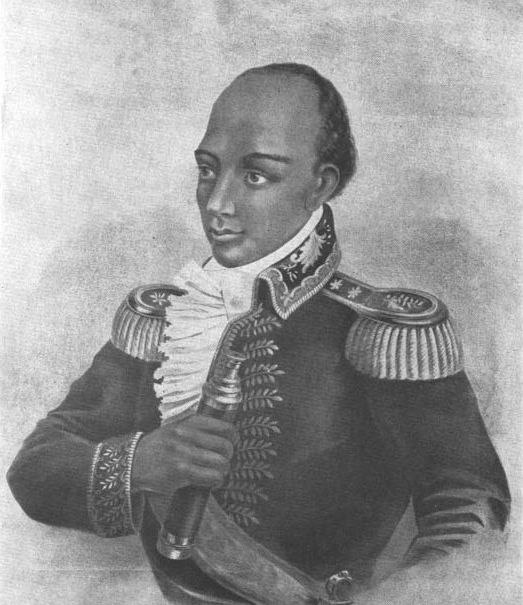
The massacres perpetrated by French troops on black insurgents in Guadeloupe and Martinique to regain control are among the bloodiest acts of Bonaparte’s reign. Let us add that the abolition of slavery in France will have to wait until 1848 before being final. The beginnings of the reign of the future emperor thus make France the only country to have re-established slavery. A French cultural exception whose history would have gone well.
Napoleon Bonaparte, the misogynist?
The Ancien Régime aristocracy – the highest in particular – stood out in the 18th century as one of the few circles in which misogyny had little or no influence. The revolutionaries held it against them and the accusations wept. The reproaches were all found and the aristocrats to have effeminated, to have become weak as one imagined then the natural inclination of the women. Revolution in opposition to the Ancien Régime therefore wanted to be virile. Bonaparte, like all the men of his time, had no other idea of the masculine ideal: solid, strong and determined, adjectives deliberately removed from the feminine sphere too superficial and fragile to interfere with serious subjects. The exuberances of Les Merveilleuses at the end of the 18th century sound the death knell for a feminine presence accepted and admired outside the domestic space, a last jolt before a 19th century of feminism that appalling in the eyes of our young 21st century.
Once the Directory and even more the Empire were established, the nineteenth century pushed revolutionary virility further by drawing fairly firmly into male and female genders which, even at the beginning of the twentieth century, we had all the trouble in the world to get rid of.
The Civil Code, a famous work of the Napoleonic reign, then stands out in our eyes as the assumed and satisfied contemptor with the condition of women and contemporary opprobrium. And for good reason, the text does not have a feminist soul. Yet it would be perfectly anachronistic to imagine that the man of the beginning of the 19th century allowed Bonaparte to impose an idea of woman. Misogyny is neither pervasive nor new.
If a few very rare feminists made their voices heard during the French Revolution, it is perfectly unthinkable to imagine giving a woman the responsibilities of a politician. In this sense, Napoleon Bonaparte is no more misogynistic than his male contemporaries (but is undoubtedly more so than his female contemporaries). In drawing up the Civil Code, Bonaparte kept in mind his primary concern: to protect the family unit, the model of which was necessarily patriarchal. A delicious irony when you know the central and authoritarian place of Letizia (1750 – 1836) in the clan of the famous Corsican.
Man must therefore be at the center of the family, he is its central pillar. He is required to be respected and to protect women and children. The failings of the head of the family are legally reprehensible, but those of women are even more so. The Civil Code confines the woman in the place of a minor individual placed under the tutelage of her husband: “The husband owes protection to his wife, the woman obedience to her husband. The woman is considered “weak and dependent”, like a child. This is why the rights of women, if they are considered sacred, cannot be entrusted to her because her very nature does not allow a woman to exercise them reasonably. Jacques de Maleville (1741-1824), one of the drafters of the Civil Code, likes to remind women of the “feeling of their inferiority” and “the submission they owe to the man who will become the arbiter of their destiny. However, sad reassurance, a man cannot divorce a woman over the age of 45. A precaution that stems from the duties of the husband who are required to ensure the protection of his wife. There is no question therefore of abandoning the latter if by chance the desire took you to find the titillating sensations of youth.
Once again, let us note the irony which forces Napoleon I to circumvent his own law to marry Marie-Louise of Austria (1791 – 1847). The protection of children is also a concern which is important to Bonaparte and we have always inherited many of its provisions today.

For a man who judged the break-up of the family unit as a disorder harmful to the good running of society, his private life was the perfect counterexample, a total fiasco which is surprising and which reveals a large part of the ambivalence of the Napoleonic myth.
Married to a widow mother of two, he finally manages to divorce while Joséphine is 46 years old. His second wife Marie-Louise gave him a son who barely knew his father and who was left with terrible loneliness until his death at the age of 21. Two other children of Napoleon will live without ever being recognized by their father, then Bonaparte will die in Saint Helena, alone and without any member of his family by his side. The break-up of the family unit he feared so much could not be more complete.
So the Civil Code is, without doubt, severe with the female condition; but it is not an ideology personal to Napoleon Bonaparte. Because the fall of the Emperor does not announce improvements for women whose lower status is maintained under the Restoration.
Of course, some female voices contemporary with the Napoleonic work speak out against such considerations, but they are rare and require a certain social status to be heard. The rare women journalists, those “blue stocking” that men despise, try to make themselves heard in a journalistic and literary world entirely in the hands of men. The task is difficult and painful to say the least. Only the figure full of panache and the dazzling fame of Madame de Staël (1766 – 1817) is offended openly about what is inflicted on women. Her character and intelligence dissuaded even Napoleon from replying, he who said of her:
I have four enemies, Prussia, Russia, England and Madame de Staël.
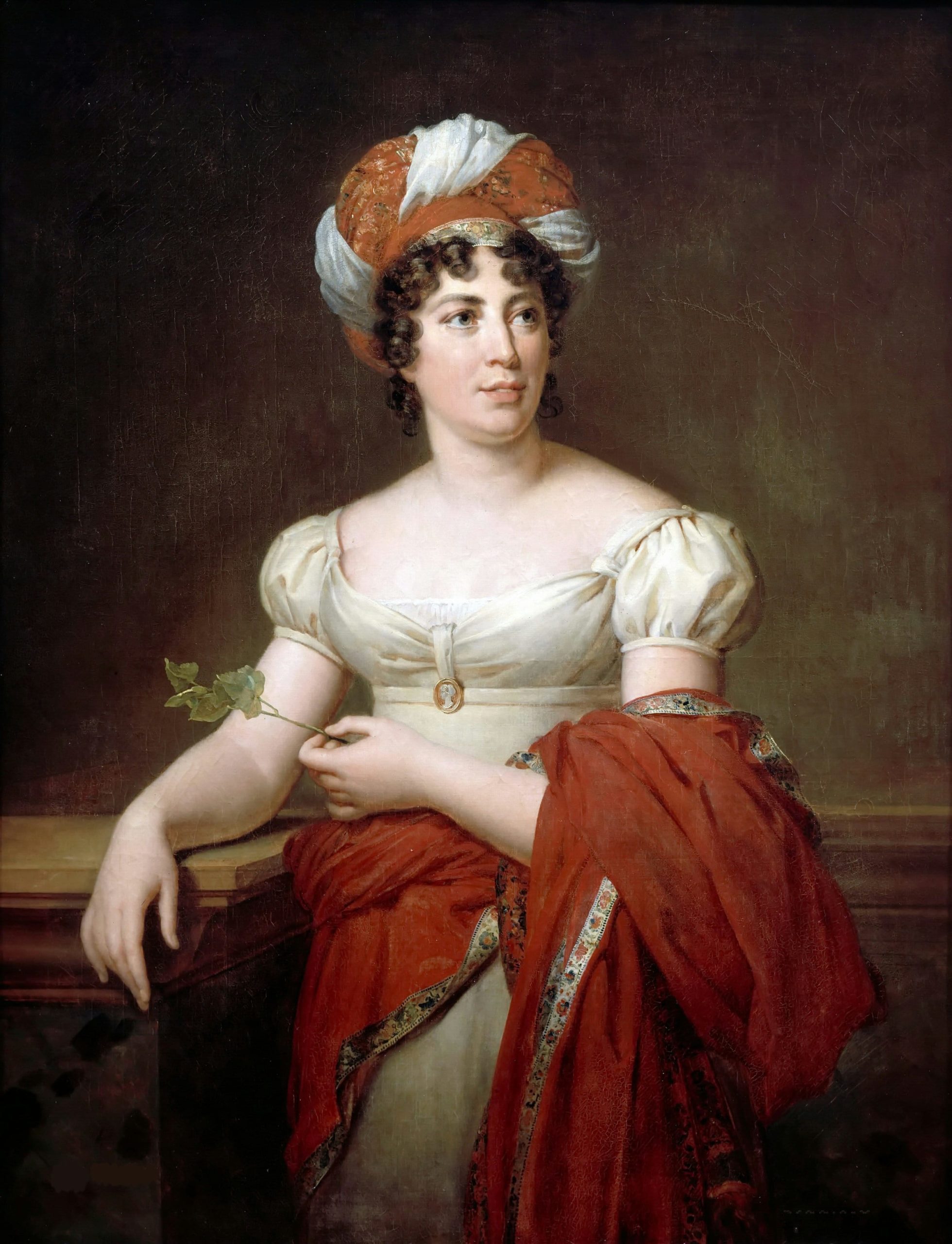
May 5th, 2021 inaugurates the bicentenary of the death of Napoleon Bonaparte, who died in Saint Helena on May 5th, 1821. If criticism is raised everywhere as to the celebration or not of the death of this character and the commemoration of his influence in the history of France, divisive opinions still carry the debate to the confines of an absurdity which sometimes comes under artistic performance.
To commemorate does not mean blindly praising or shooting on sight. The virtue of the debates between historians and specialists in Napoleonic history with argued, documented and posed speeches are undoubtedly the best answers to bring in this year of commemoration. Everyone should be able to form an informed opinion on the historical reality of Napoleon Bonaparte, his reign and his influence still today in our lives. The numerous debates, works and exhibitions planned for this occasion will be the occasion, we hope, to initiate a true reflection on this character whose myth sometimes crushes the necessary nuance.


